
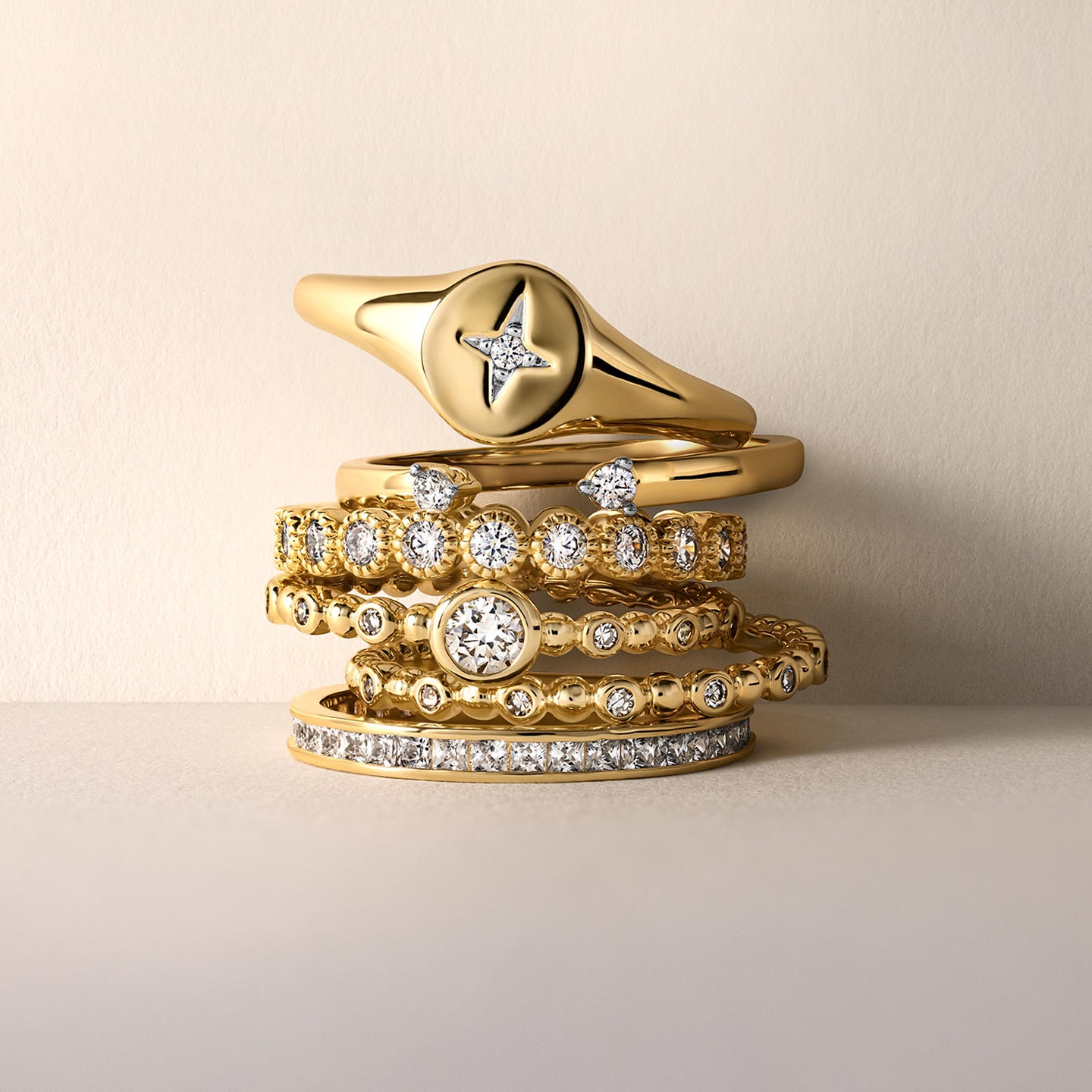
Understanding the World of Gold
Gold has long been a symbol of beauty, meaning, and personal style, which is why at KAY Jewelers, we know that choosing the right gold matters. Whether you're interested in the different gold types or looking to understand gold karat weights, we put this guide together to help you navigate the world of gold jewelry.
Each type of gold chain — and other jewelry — offers unique characteristics that cater to varying tastes and needs. Whether you prefer the rich glow of yellow gold, the subtle elegance of white gold, or the warm tones of rose gold, there's gold jewelry that’s right for everyone.
Each type of gold chain — and other jewelry — offers unique characteristics that cater to varying tastes and needs. Whether you prefer the rich glow of yellow gold, the subtle elegance of white gold, or the warm tones of rose gold, there's gold jewelry that’s right for everyone.
Why Are There Different Gold Types?
Gold comes in various colors, each with its unique properties. The three most widely used types of gold are yellow gold, white gold, and rose gold. These different types arise from varying combinations of gold with other metals to enhance durability and alter color. The specific mixture of alloys used to create the types of gold include copper, silver, palladium, zinc, and nickel. The choice of gold type can significantly influence both the appearance and the longevity of your jewelry.
What is Yellow Gold?
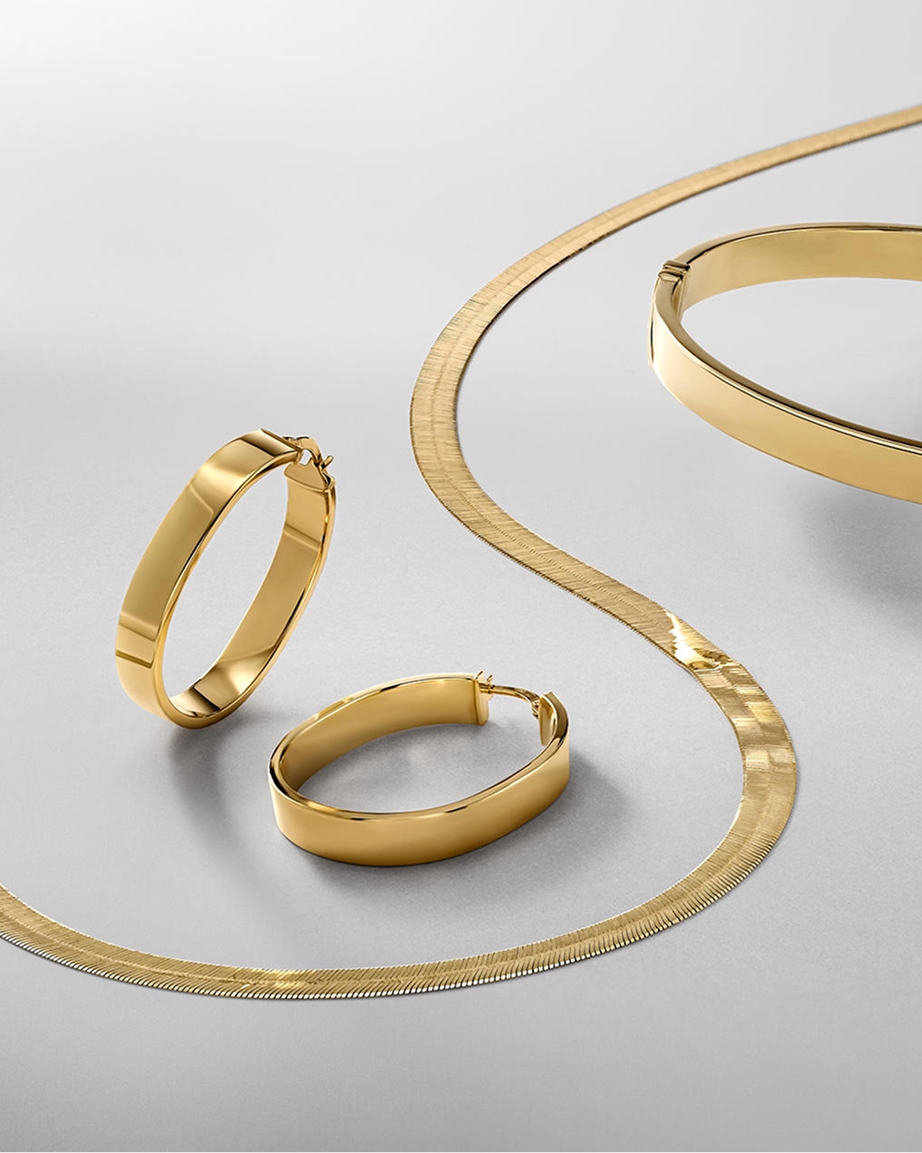
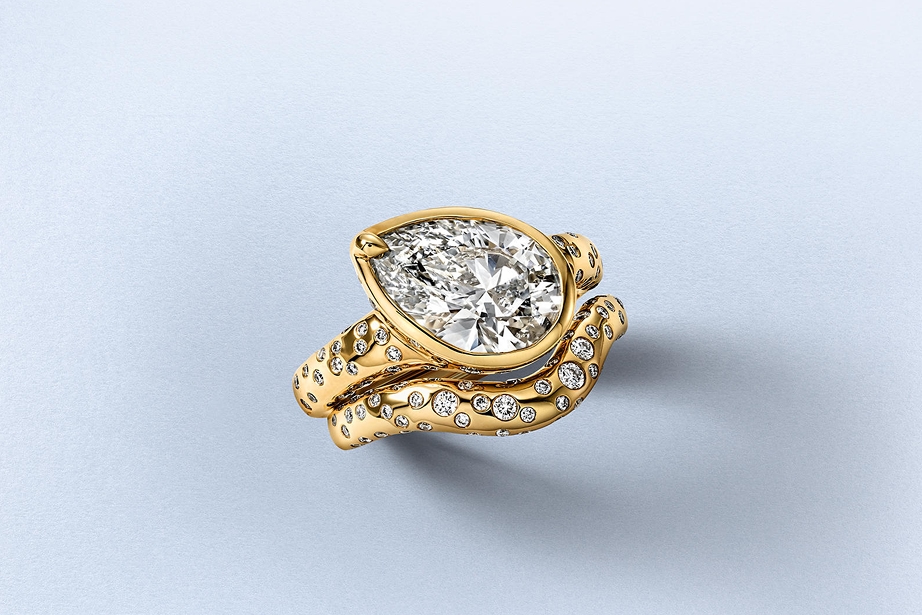
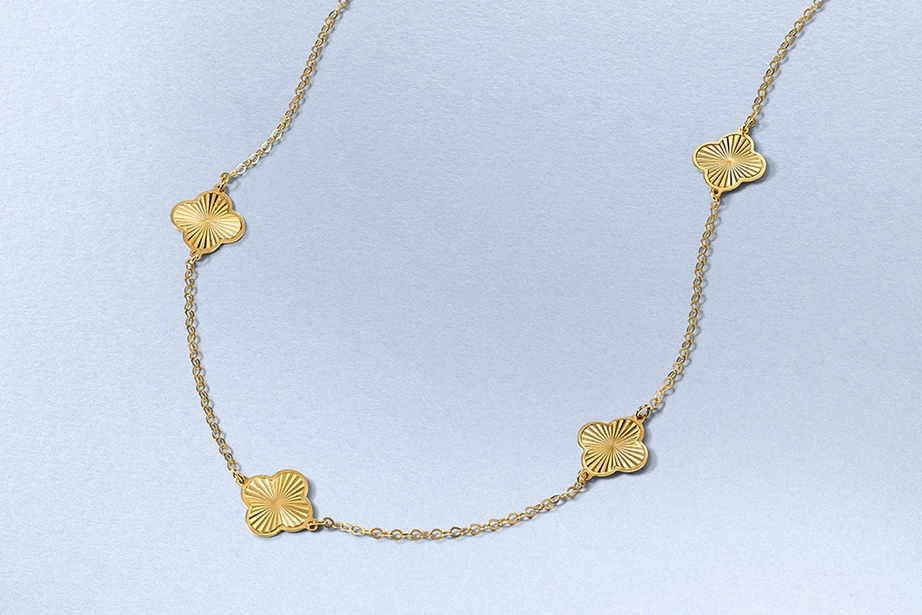
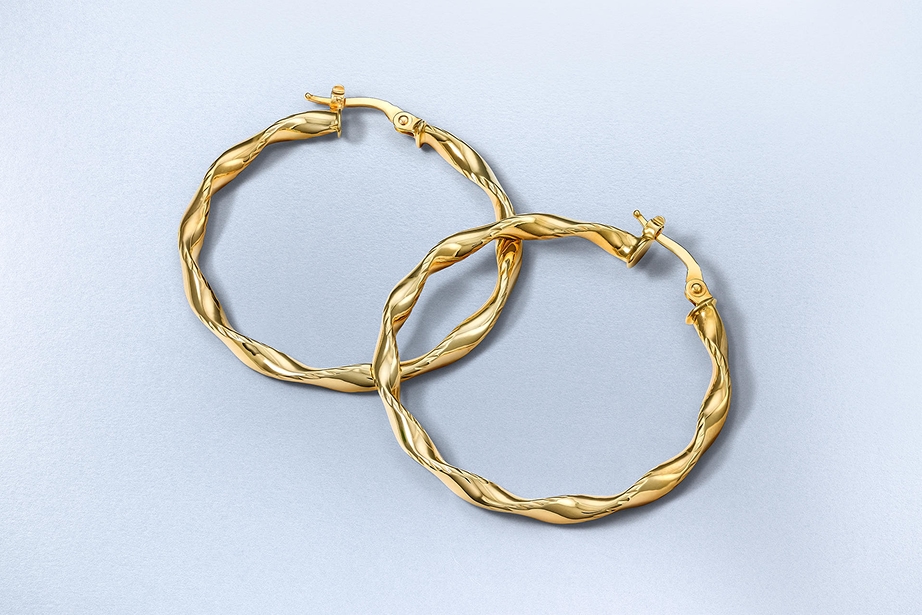
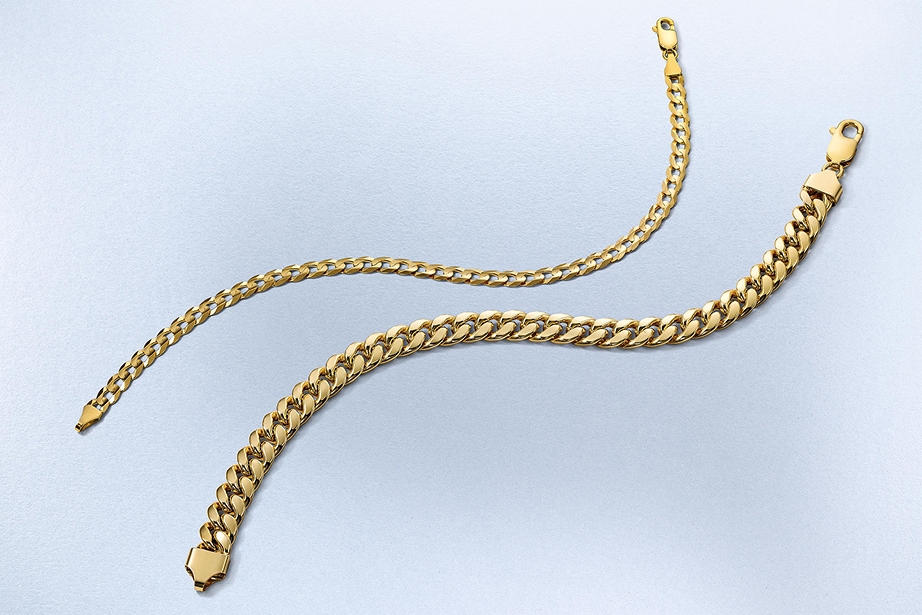
Yellow gold is one of the most classic and recognizable precious metals used in jewelry. Prized for its rich, warm color and timeless appeal, yellow gold has been a symbol of beauty, luxury, and celebration for centuries. Its radiant golden hue complements a wide range of skin tones and pairs beautifully with gemstones such as diamonds, sapphires, rubies, and emeralds. Whether featured in an engagement ring, necklace, bracelet, or pair of earrings, yellow gold offers a traditional yet versatile look that never goes out of style.
Pure gold, known as 24 karat gold, is naturally soft, so it is typically mixed with other metals to increase its durability for everyday wear. Common yellow gold jewelry is available in 10K, 14K, and 18K options. A higher karat number means the piece contains a greater percentage of pure gold, resulting in a richer yellow color, while lower karat gold offers added strength and resistance to scratching. This balance of beauty and durability makes yellow gold an excellent choice for both special occasion and everyday jewelry.
One of the reasons yellow gold remains so popular is its versatility. Its warm tone pairs effortlessly with both vintage-inspired and contemporary designs, making it suitable for a wide range of personal styles. Yellow gold is especially popular in engagement rings and wedding bands, where its romantic, timeless appearance highlights the brilliance of diamonds and other gemstones. It also layers beautifully with other metals, allowing wearers to mix and match yellow, white, and rose gold pieces for a modern, personalized look.
With proper care, yellow gold jewelry can maintain its beauty for generations. Routine cleaning and occasional professional inspections help preserve its shine and ensure stones remain secure. Because of its enduring value, durability, and timeless elegance, yellow gold continues to be one of the most cherished and sought-after jewelry metals in the world.
Shop Yellow Gold Jewelry
What is White Gold?
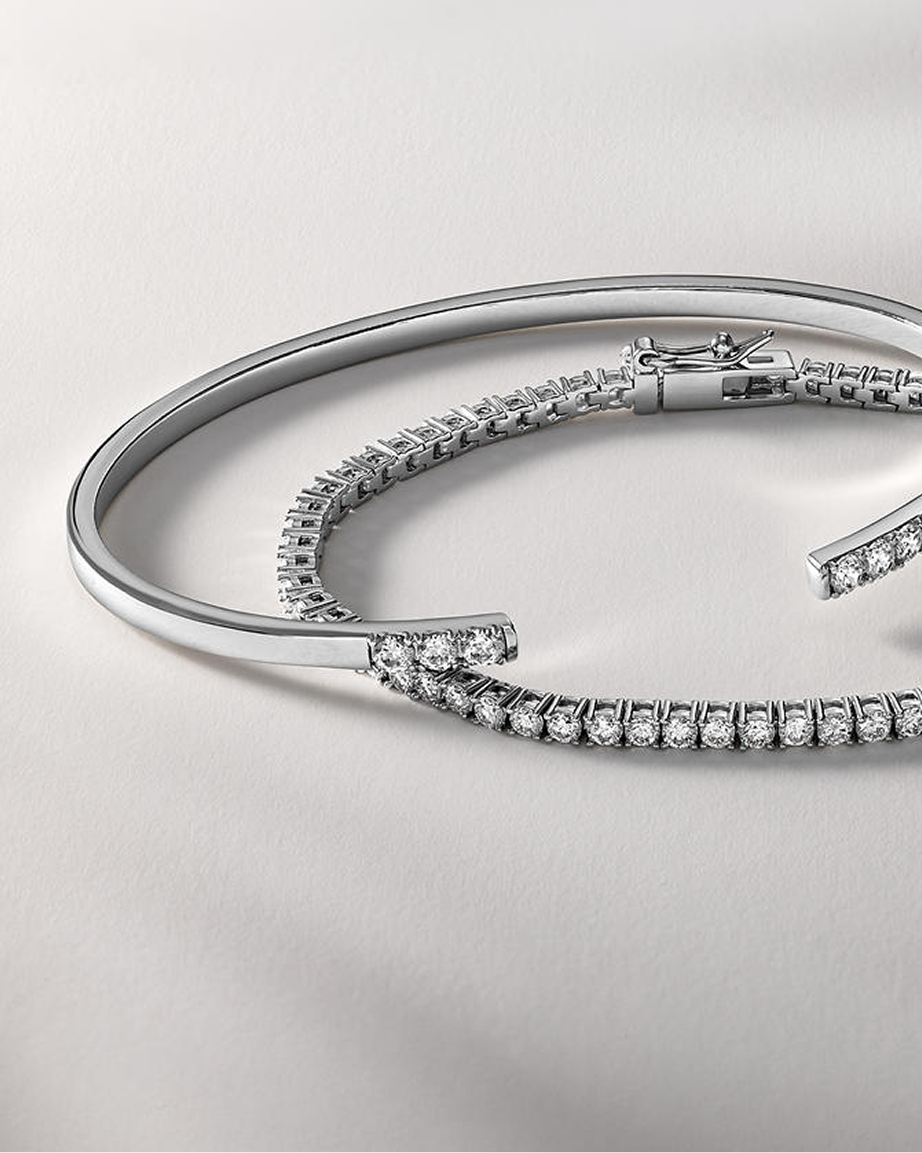
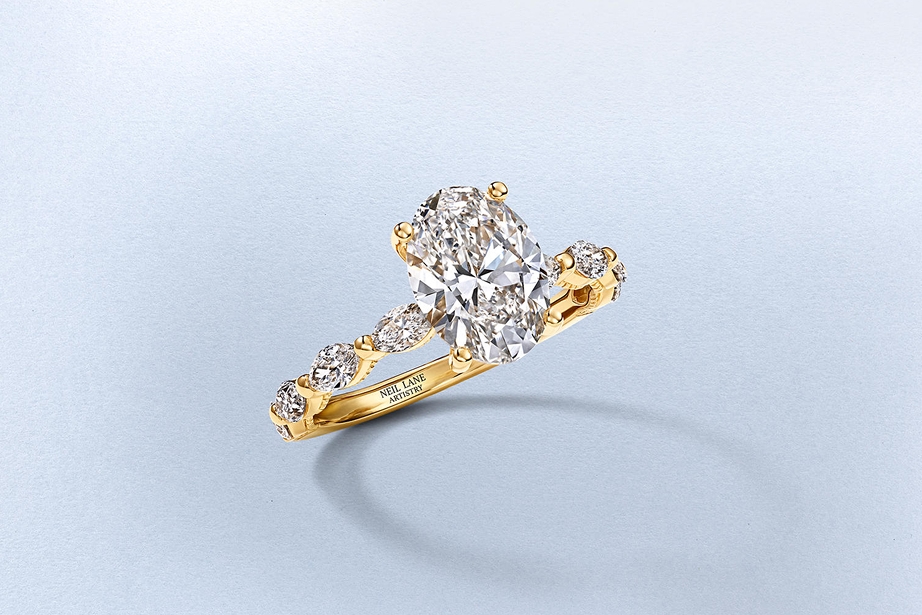
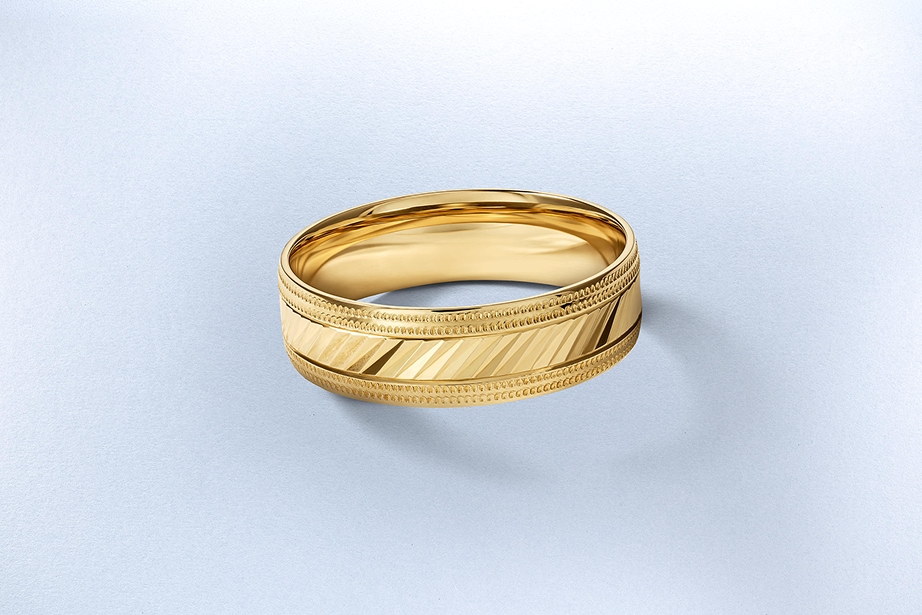
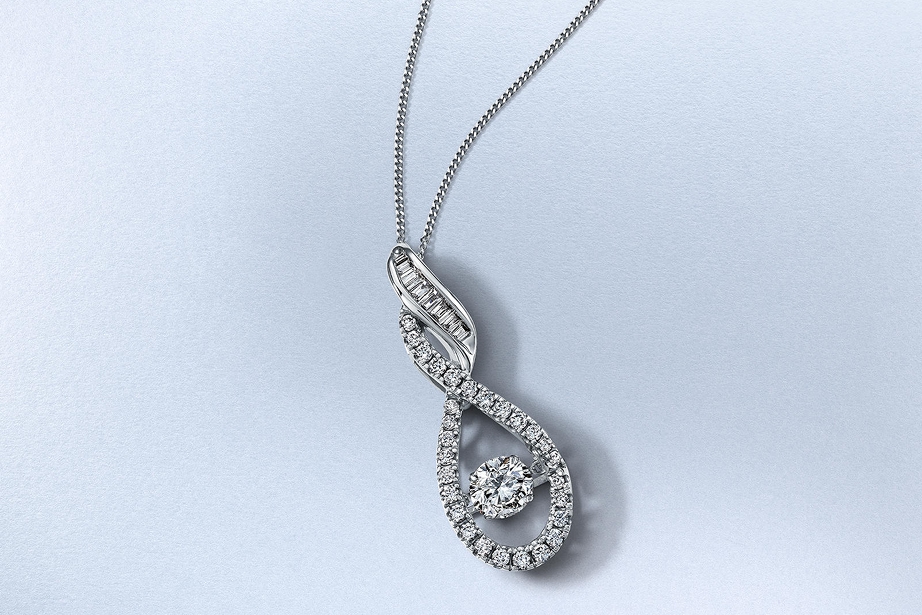
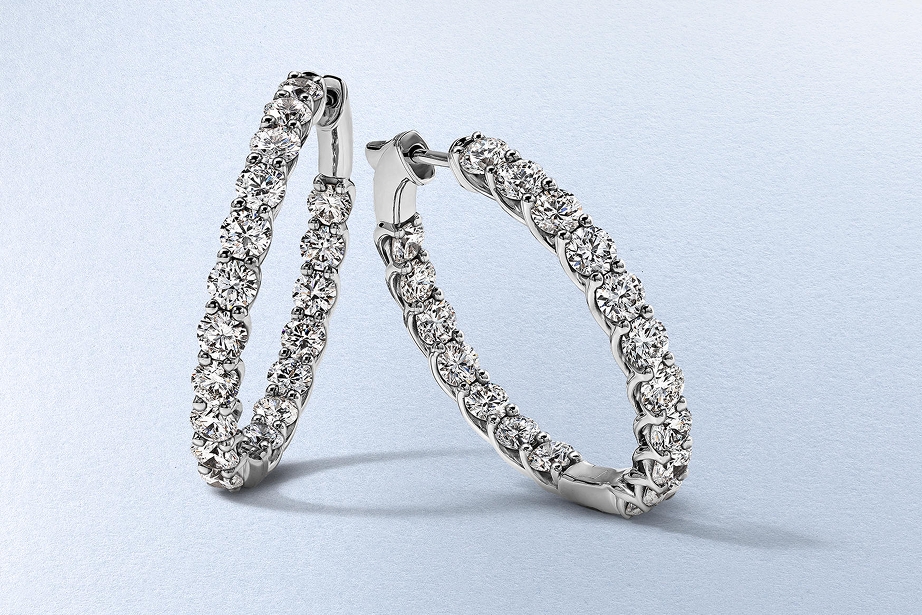
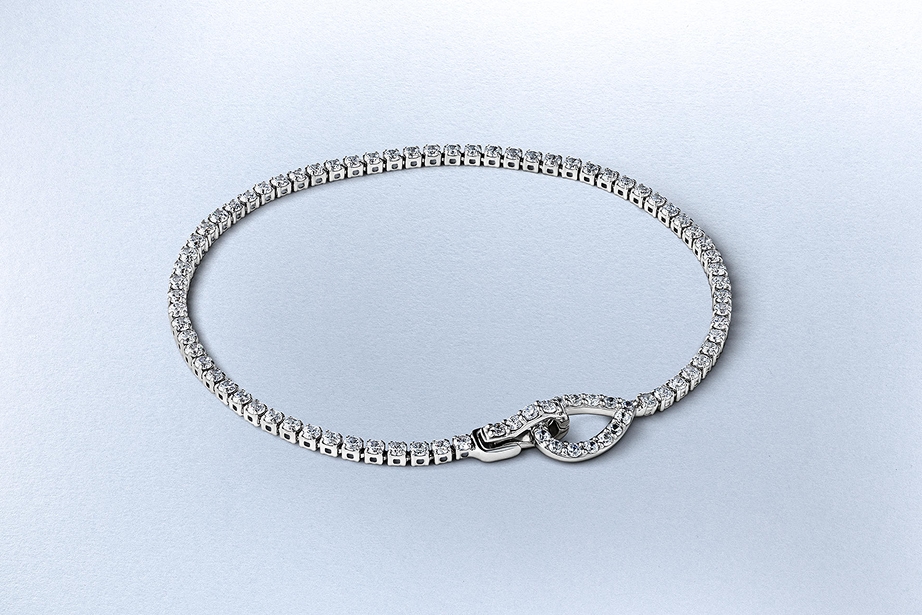
White gold is a popular and sophisticated jewelry metal known for its bright, silvery-white appearance and contemporary style. Created by blending pure gold with naturally white metals such as palladium, silver, or nickel, white gold offers the prestige and value of gold with a sleek, modern look. Its neutral color beautifully complements diamonds and colored gemstones, making it a favorite choice for engagement rings, wedding bands, and fine fashion jewelry.
Most white gold jewelry is available in 10K, 14K, and 18K gold. These karat levels indicate the amount of pure gold contained in the alloy, with higher karat options containing a greater percentage of gold. To enhance its bright white finish and add extra protection, white gold jewelry is typically coated with rhodium, a precious metal from the platinum family. This rhodium plating gives white gold its signature brilliance and reflective shine while helping to resist scratches and everyday wear.
One of the greatest advantages of white gold is its versatility. Its cool tone pairs effortlessly with virtually any gemstone and complements both classic and contemporary jewelry designs. White gold is especially popular for diamond engagement rings because its color allows the diamond to take center stage, enhancing the stone's natural brilliance without adding competing color. It also coordinates easily with other jewelry pieces, making it a practical choice for everyday wear.
With proper care, white gold jewelry can maintain its beauty for many years. Over time, the rhodium plating may gradually wear away, revealing a slightly warmer tone beneath. Professional cleaning and occasional re-plating can restore its bright white finish and keep it looking like new. Combining timeless elegance, durability, and versatility, white gold remains one of the most sought-after precious metals for fine jewelry.
Shop White Gold Jewelry
What is Rose Gold?
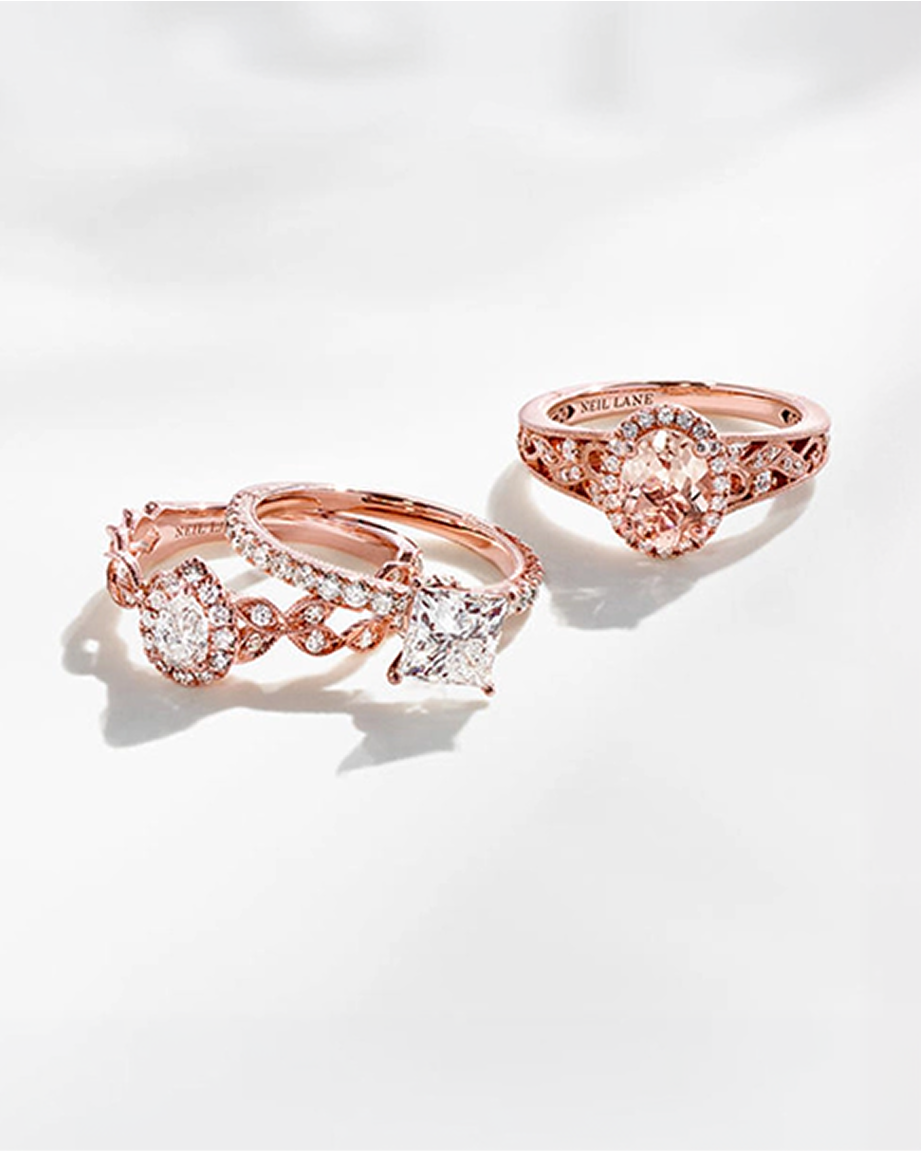
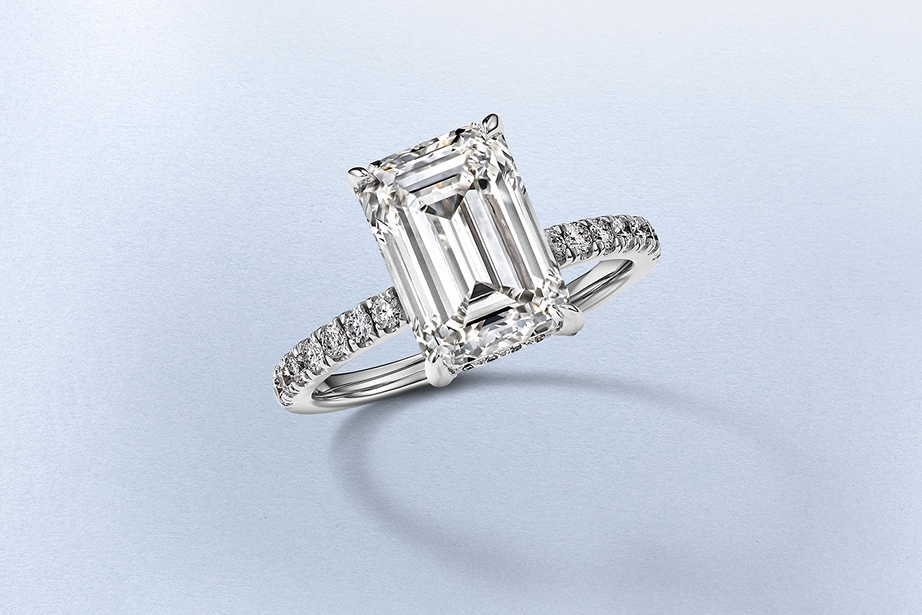
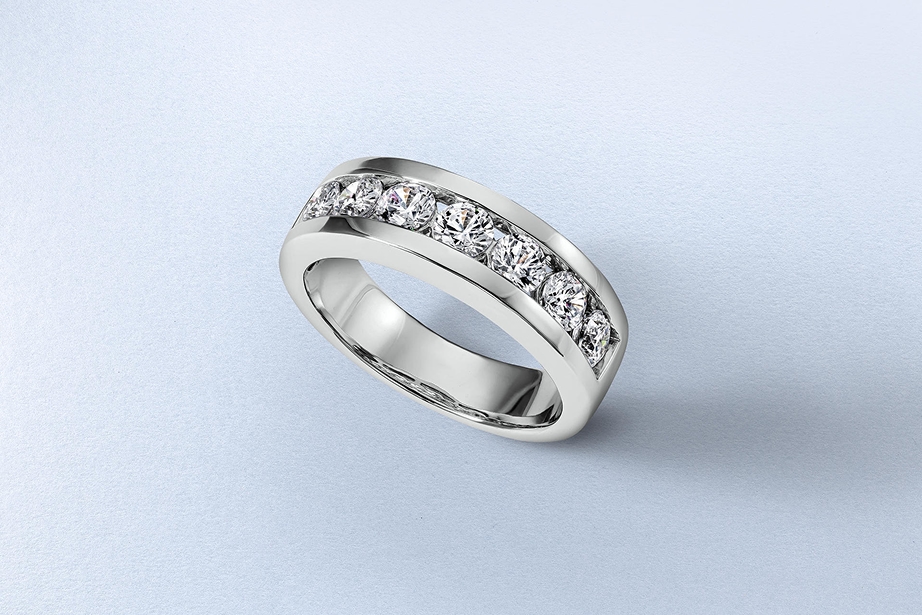
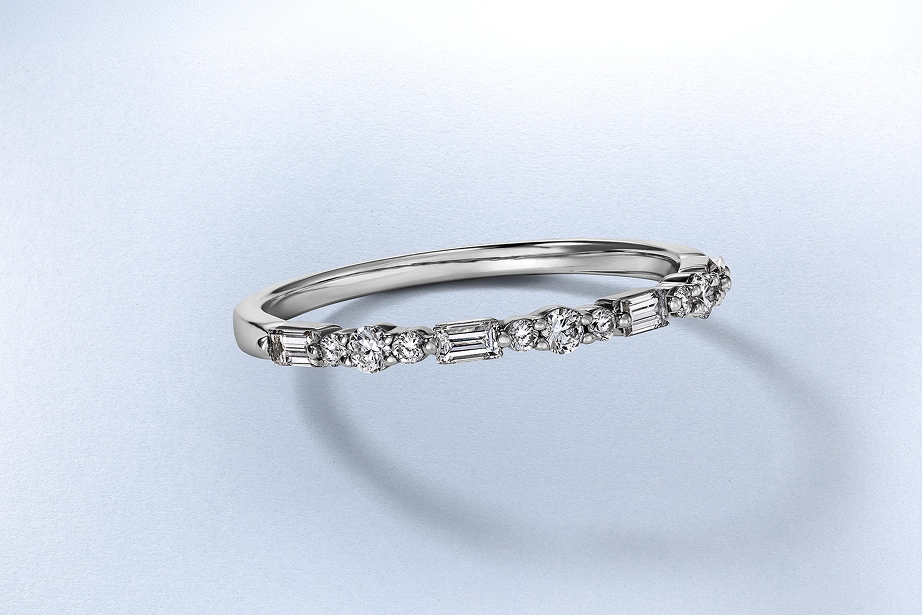
Rose gold is a distinctive and romantic precious metal that has grown in popularity for its soft, blush-pink hue. Created by combining pure gold with copper and other alloy metals, rose gold offers a warm, flattering color that stands out from traditional yellow and white gold. Its unique appearance brings a vintage-inspired charm while also feeling fresh and modern, making it a favorite choice for engagement rings, wedding bands, and fashion jewelry.
Like other gold jewelry, rose gold is available in different karat weights, including 10K, 14K, and 18K. The beautiful pink color comes from the copper content in the alloy, with higher amounts of copper producing a deeper rosy tone. In addition to its attractive color, copper helps increase the metal's durability, making rose gold a practical option for jewelry that is worn every day.
One of the reasons rose gold is so beloved is its versatility. Its warm color complements a wide range of skin tones and pairs beautifully with diamonds, morganite, sapphires, and other gemstones. Rose gold can create a romantic, vintage-inspired look or add warmth to contemporary jewelry designs. It also mixes well with white and yellow gold, making it easy to layer and combine different jewelry pieces for a personalized style.
Rose gold jewelry is generally easy to care for and does not require rhodium plating like white gold. Over time, it may develop a subtle patina that many people appreciate for the character it adds. With its combination of durability, warmth, and timeless beauty, rose gold remains a popular choice for those looking for jewelry that feels both elegant and unique.
What is Gold Karat Weight?
The “karat” in gold karat refers to the standard measurement of gold purity. The jewelry you find at most fine jewelry retailers is rarely 100% pure because pure gold is naturally soft and can be temperamental to work with. The metals you find in rings, earrings, bracelets, and necklaces are almost always alloyed with a mixture of other metals so they can better withstand everyday wear.
Karat is the standard unit for measuring the purity of gold. Gold is measured on a scale from zero to 24 karats, with 24K representing pure gold. The karat number tells you the proportion of pure gold in that alloy. For example, 18K gold is 75% gold, while 14K gold is 58.3% gold.
Lower-karat gold contains a higher concentration of other metals, which can make it more resistant to scratching and bending. Higher-karat gold contains more pure gold and typically has a higher intrinsic value, since gold is the most valuable component. Ultimately, the karat tells you how much pure gold makes up the total weight of a piece.
Karat is the standard unit for measuring the purity of gold. Gold is measured on a scale from zero to 24 karats, with 24K representing pure gold. The karat number tells you the proportion of pure gold in that alloy. For example, 18K gold is 75% gold, while 14K gold is 58.3% gold.
Lower-karat gold contains a higher concentration of other metals, which can make it more resistant to scratching and bending. Higher-karat gold contains more pure gold and typically has a higher intrinsic value, since gold is the most valuable component. Ultimately, the karat tells you how much pure gold makes up the total weight of a piece.
Standard Gold Karat Weights
24K
Pure, the highest karat. 24K is not popular for jewelry because it can bend or scratch.
Pure, the highest karat. 24K is not popular for jewelry because it can bend or scratch.
22K
Very high quality, with 92% gold and 8% alloyed metals. Stronger than pure karat gold, but still soft.
Very high quality, with 92% gold and 8% alloyed metals. Stronger than pure karat gold, but still soft.
18K
75% gold and 25% alloyed metals. This high-quality karat gold is a traditional staple for jewelry.
75% gold and 25% alloyed metals. This high-quality karat gold is a traditional staple for jewelry.
14K
A lower karat count for high-end jewelry, at 58% gold. The lower amount of gold makes it more durable.
A lower karat count for high-end jewelry, at 58% gold. The lower amount of gold makes it more durable.
How Can I Tell Which Different Gold Type I Have?
Identifying the type of gold in your jewelry is essential for its care and maintenance. Look for markings such as 10K, 14K, or 18K, which indicate the karat weight and show whether a piece of gold jewelry is karat gold jewelry or plated jewelry. There are multiple ways to plate jewelry including vermeil, but plated jewelry will always have a mark indicating base material such as "925" for sterling silver.
If you aren’t sure what type of gold jewelry you have, you can always bring it to your local KAY where one of our experts will assist in inspecting your jewelry.
If you aren’t sure what type of gold jewelry you have, you can always bring it to your local KAY where one of our experts will assist in inspecting your jewelry.
Which Gold Karat Should I Choose?
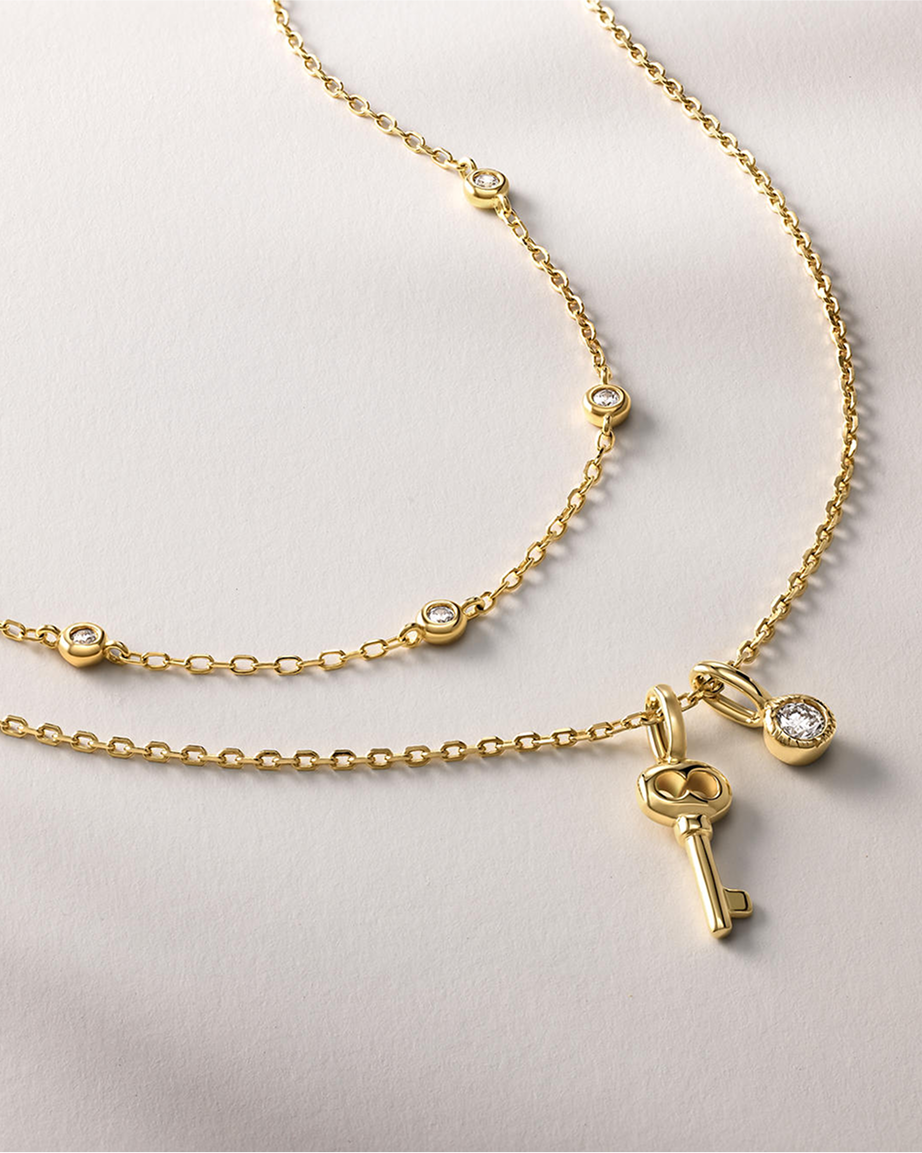
Choosing the right karat for your gold jewelry is an important decision because it affects the piece's color, durability, and value. Karat measures the amount of pure gold in a piece of jewelry, with 24K representing pure gold. Because pure gold is naturally soft, it is often mixed with other metals to increase strength and make it more suitable for everyday wear. The most common options are 10K, 14K, and 18K gold, each offering a different balance of gold content and durability.
For those seeking a practical and budget-friendly choice, 10K gold is often a great option. Containing 41.7% pure gold, it is the most durable of the common gold alloys and is highly resistant to scratches, dents, and everyday wear. This makes it ideal for active lifestyles, everyday jewelry, and pieces that are worn frequently. While its gold color may be slightly less rich than higher-karat options, it offers excellent value and long-lasting performance.
Fourteen-karat gold is the most popular choice for fine jewelry because it strikes an ideal balance between beauty and durability. With 58.3% pure gold, 14K gold has a rich appearance while remaining strong enough for engagement rings, wedding bands, and everyday jewelry. Many people appreciate 14K gold because it offers the luxurious look of gold without the softer characteristics and higher price associated with higher-karat options.
For those who prefer a richer gold color and higher gold content, 18K gold is an attractive option. Composed of 75% pure gold, it has a deeper, more luxurious appearance and is often chosen for high-end jewelry. While 18K gold is more resistant to tarnishing and has a premium feel, it is also softer than 10K or 14K gold, making it better suited for those who are willing to take a little extra care with their jewelry.
Ultimately, the best karat depends on your lifestyle, budget, and personal preferences. If durability is your top priority, 10K may be the best fit. If you want a balance of strength and beauty, 14K is often the ideal choice. If you value a richer color and higher gold content, 18K can provide a luxurious finish. Understanding these differences can help you select gold jewelry that complements both your style and the way you plan to wear it for years to come.
For those seeking a practical and budget-friendly choice, 10K gold is often a great option. Containing 41.7% pure gold, it is the most durable of the common gold alloys and is highly resistant to scratches, dents, and everyday wear. This makes it ideal for active lifestyles, everyday jewelry, and pieces that are worn frequently. While its gold color may be slightly less rich than higher-karat options, it offers excellent value and long-lasting performance.
Fourteen-karat gold is the most popular choice for fine jewelry because it strikes an ideal balance between beauty and durability. With 58.3% pure gold, 14K gold has a rich appearance while remaining strong enough for engagement rings, wedding bands, and everyday jewelry. Many people appreciate 14K gold because it offers the luxurious look of gold without the softer characteristics and higher price associated with higher-karat options.
For those who prefer a richer gold color and higher gold content, 18K gold is an attractive option. Composed of 75% pure gold, it has a deeper, more luxurious appearance and is often chosen for high-end jewelry. While 18K gold is more resistant to tarnishing and has a premium feel, it is also softer than 10K or 14K gold, making it better suited for those who are willing to take a little extra care with their jewelry.
Ultimately, the best karat depends on your lifestyle, budget, and personal preferences. If durability is your top priority, 10K may be the best fit. If you want a balance of strength and beauty, 14K is often the ideal choice. If you value a richer color and higher gold content, 18K can provide a luxurious finish. Understanding these differences can help you select gold jewelry that complements both your style and the way you plan to wear it for years to come.
The Do's & Don’ts of Gold Jewelry Care
Gold jewelry is delicate and requires a gentle touch during cleaning. Create a solution using a mild soap mixed with warm water that will cleanse without damaging. Avoid abrasive materials that can scratch the surface. To clean gold-plated jewelry, always use a soft cloth to wipe away dirt and oils and to avoid excess moisture. Proper gold-plated jewelry care helps extend the life of the finish. Remember, a gentle hand ensures a lasting shine.
Choosing quality cleaning products designed for gold ensures effective maintenance. Look for solutions that are non-abrasive and pH-balanced. These products provide a safe cleaning experience without compromising the jewelry's integrity. Investing in quality care items prolongs the life of your collection.
Do:
Don't:
You can let the professionals handle it by stopping by your local KAY Jewelers for a free cleaning and inspection!
Along with regular cleaning, proper storage extends the life of your jewelry. Gold is soft and susceptible to damage when stored with harder materials, so keep gold pieces in a soft pouch or a separate compartment in your jewelry box. This prevents scratches and minimizes exposure to elements that can dull its finish. Whether it's 14k gold jewelry care or higher karats, the right storage method preserves each style’s brilliance.
Choosing quality cleaning products designed for gold ensures effective maintenance. Look for solutions that are non-abrasive and pH-balanced. These products provide a safe cleaning experience without compromising the jewelry's integrity. Investing in quality care items prolongs the life of your collection.
Do:
- Use a soft cloth with mild soap and warm water or gold jewelry cleaner.
- Clean gently, ensuring no stray fibers from the cloth become snagged on prongs or other vulnerable areas on your jewelry.
- Dry carefully using another soft cloth.
Don't:
- Do not use harsh cleaners such as bleach or any disinfectant.
- Do not use any abrasive substance such as baking soda or toothpaste. This will result in scratches that diminish your gold’s beautiful luster.
- Do not use anything other then a soft cloth to gently clean and dry gold jewelry.
You can let the professionals handle it by stopping by your local KAY Jewelers for a free cleaning and inspection!
Along with regular cleaning, proper storage extends the life of your jewelry. Gold is soft and susceptible to damage when stored with harder materials, so keep gold pieces in a soft pouch or a separate compartment in your jewelry box. This prevents scratches and minimizes exposure to elements that can dull its finish. Whether it's 14k gold jewelry care or higher karats, the right storage method preserves each style’s brilliance.
Can I Wear Gold In Water?
While higher karat gold jewelry may be more resistant to tarnishing, all gold jewelry is susceptible is wear and damage if repeatedly exposed to water, especially chlorinated or salt water. So while a dip in a pool or ocean may be great for you, it is best to take off your favorite gold pieces before diving in!
More Education
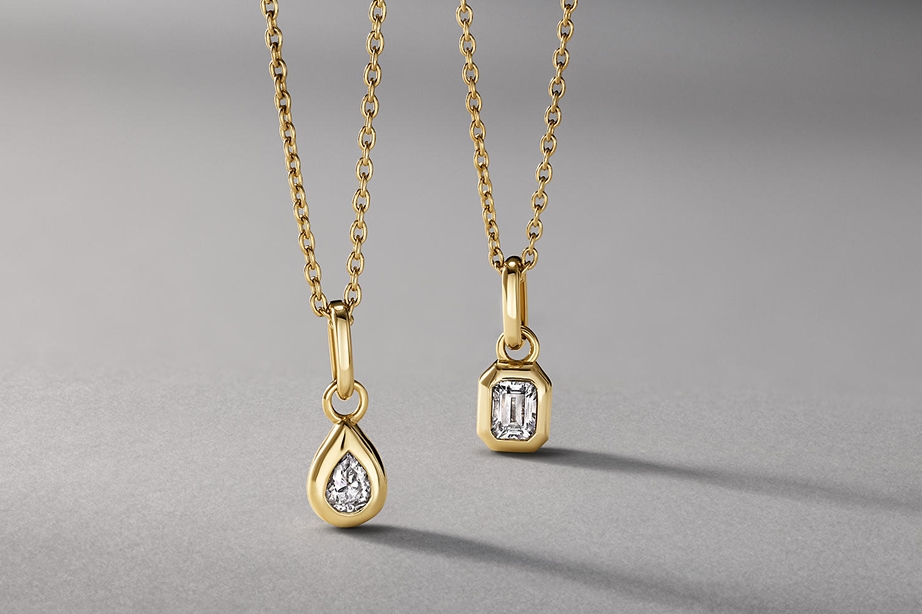
Gold Plated & Vermeil Jewelry
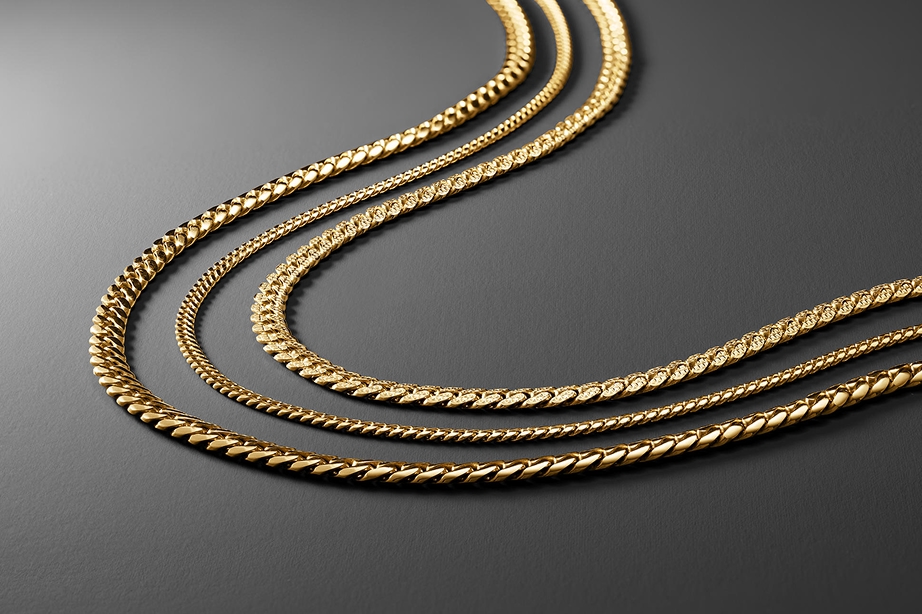
Different Chain Types
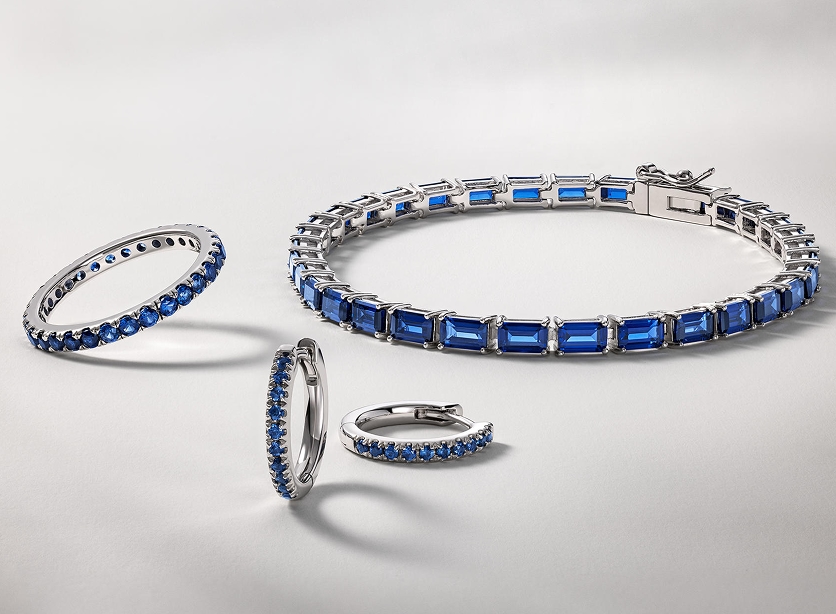
Gemstone Jewelry Guide
Different Gold Types & Gold Karat Explained | Kay