Diamond Color

From D to Z: Exploring Diamond Color Grades

What is Diamond Color?

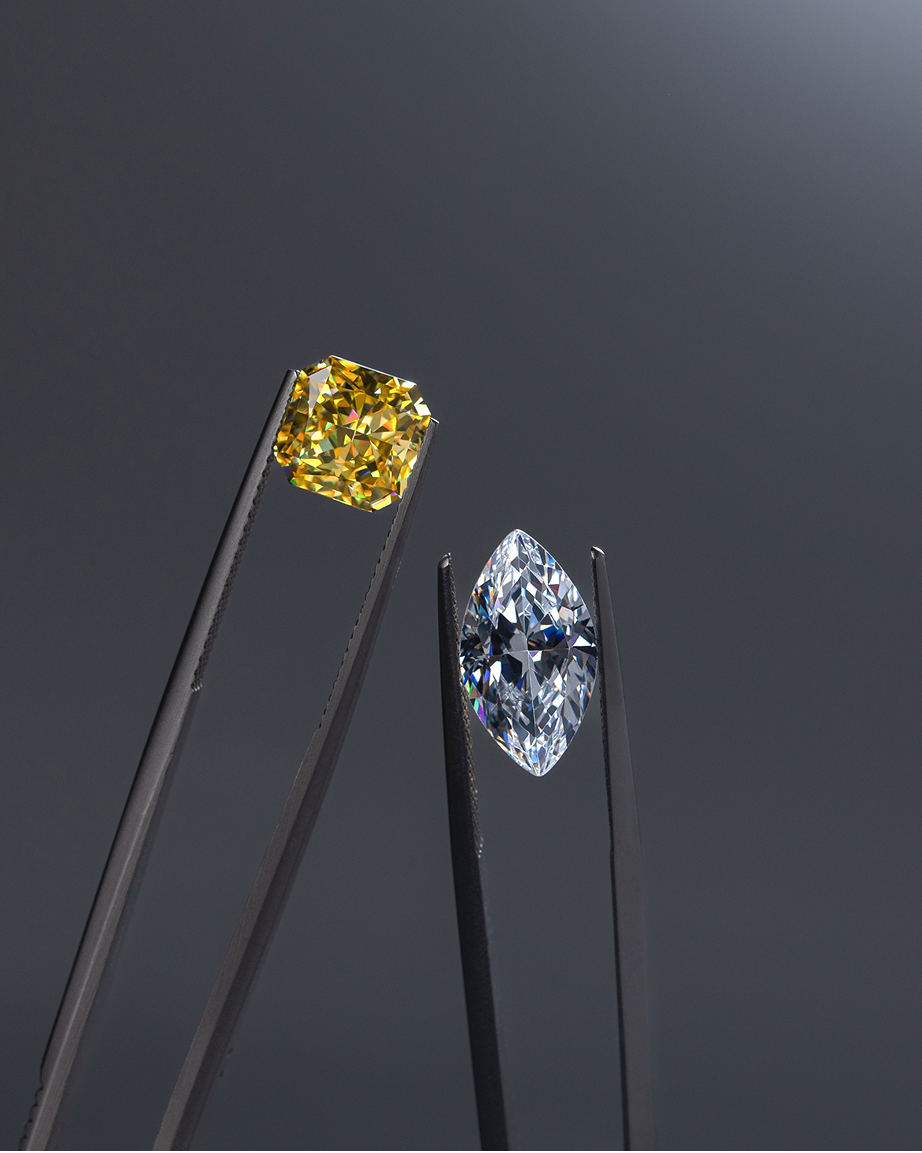
Two different colored diamonds, one with a yellow tint and the other more clear, helpd by tweezers.

Diamond color is one of the Four Cs used to evaluate a diamond's quality and beauty. While many people think of diamonds as completely colorless, most naturally occurring white diamonds contain subtle traces of color, typically ranging from colorless to light yellow or brown. The less color a diamond has, the rarer and more valuable it is often considered. Diamond color can also influence a diamond's overall appearance, especially when viewed side by side with other stones.

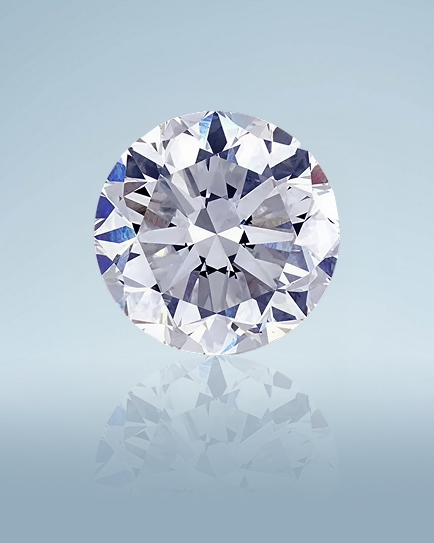
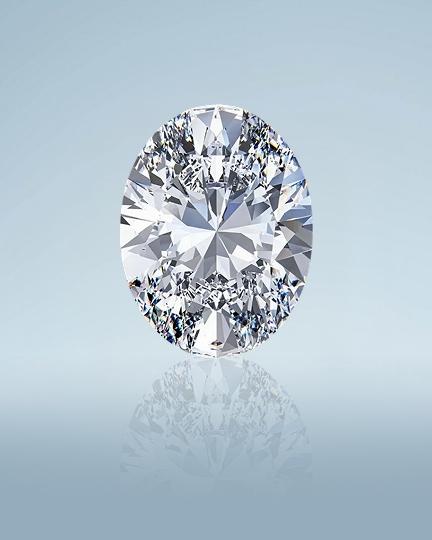
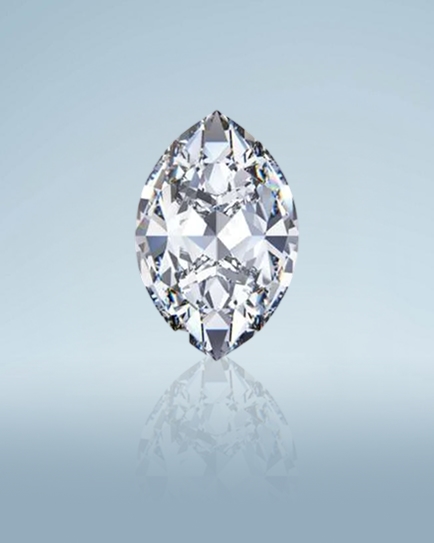
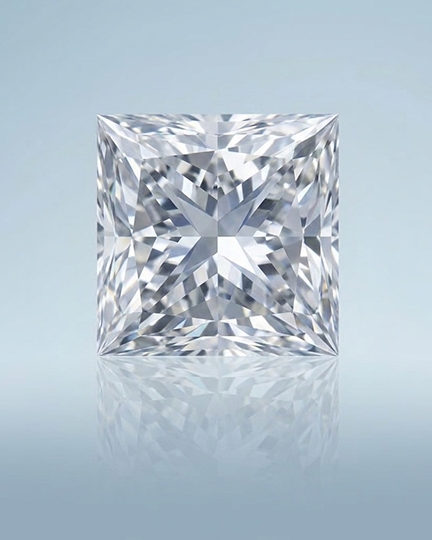
The Gemological Institute of America (GIA) grades diamond color on a scale from D to Z. Diamonds graded D, E, and F are considered colorless and are prized for their exceptional brightness and purity. Diamonds in the G through J range are classified as near-colorless and often appear colorless to the untrained eye, making them a popular choice for shoppers seeking an excellent balance of beauty and value. As the scale progresses toward Z, warmer yellow or brown tones become more visible.

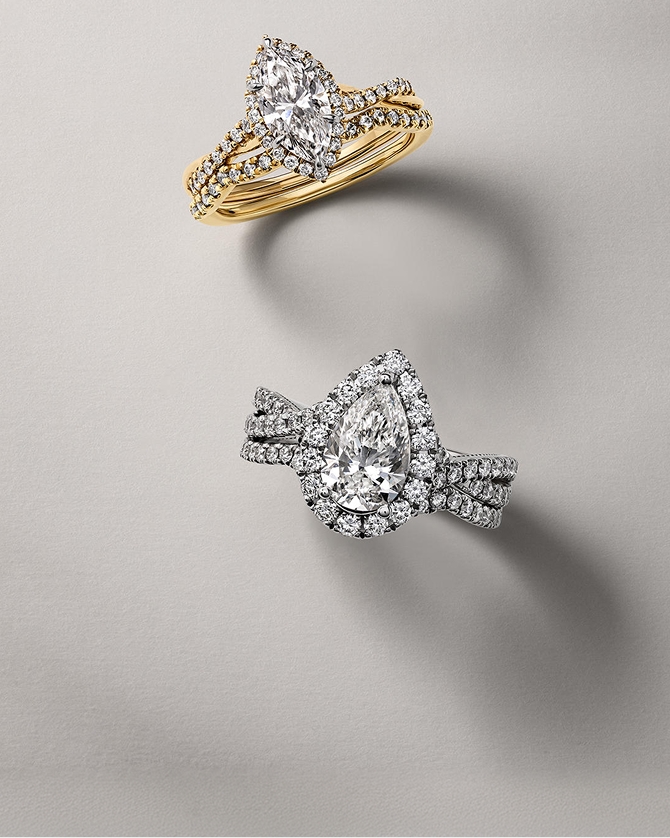
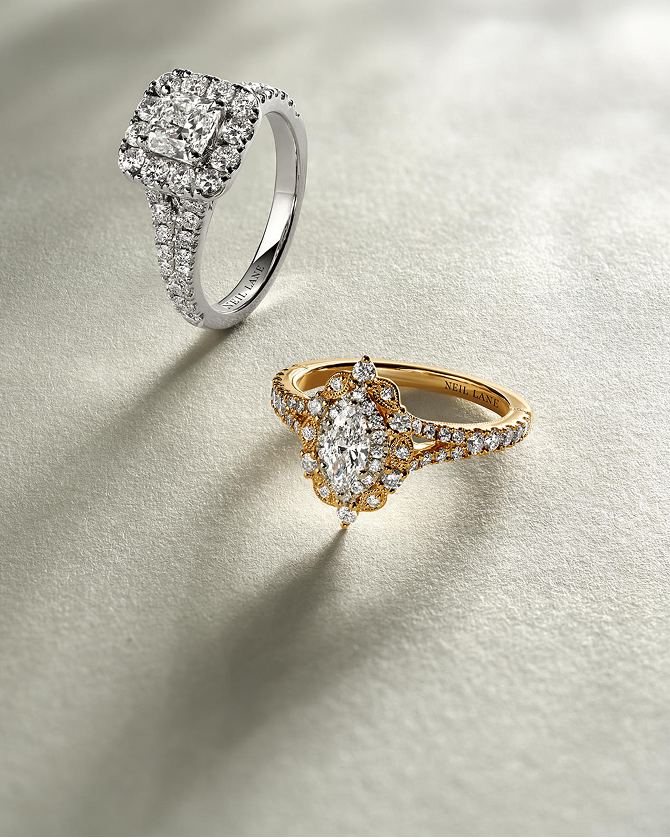
It's important to remember that diamond color is a matter of personal preference. Some people prefer the icy-white appearance of higher color grades, while others appreciate the warmth and character found in lower color grades. The metal color of a ring setting can also influence how a diamond's color is perceived. For example, yellow and rose gold settings can complement diamonds with warmer tones, while white gold and platinum settings tend to accentuate a diamond's bright, colorless appearance.

When choosing a diamond, color should be considered alongside cut, clarity, and carat weight. A well-cut diamond can appear more brilliant and lively, sometimes making subtle color differences less noticeable. By understanding diamond color grades and how they affect a diamond's appearance, you can select a stone that fits your style, preferences, and budget while still delivering exceptional beauty and sparkle.

Diamond Color Scale

Most KAY diamonds fall within this D through J range, and gemologists assign their grades under controlled lighting against master stones.

GIA diamond color grades and their descriptions.
GradeDescriptions
D Colorless. The highest grade GIA assigns and the rarest.
F Colorless. Minute traces of color are detectable only by gemologists.
E Colorless. The last of the colorless grades, with slight color beginning to show under grading conditions.
G Near-colorless. Slight color that most people won’t notice.
H Near-colorless. Slightly more warmth than G, though still subtle.
I Near-colorless. Faint warmth that may become noticeable in some stones.
J Near-colorless. A slight yellow tint may be noticeable.
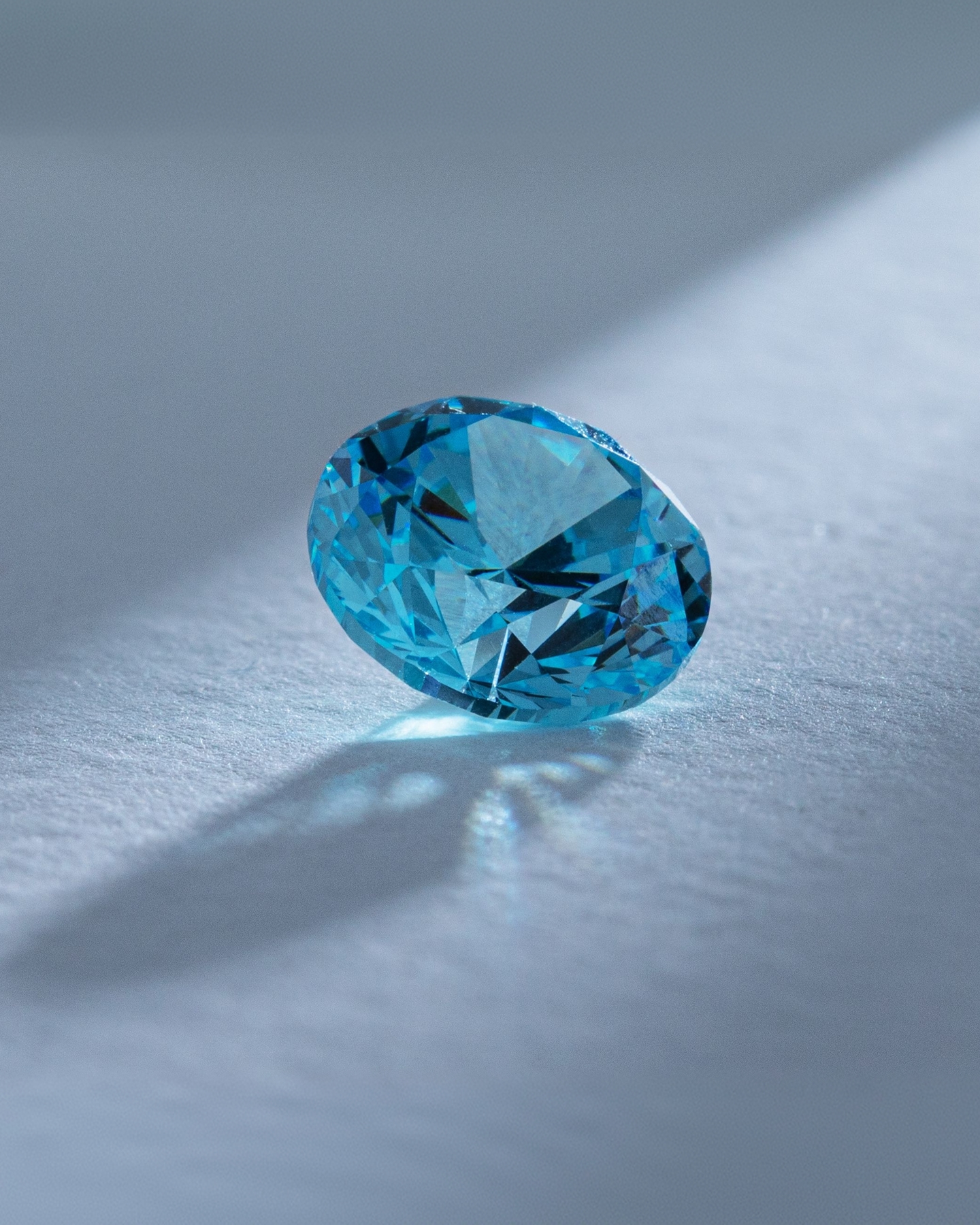
A blue diamond by KAY.

Blue Diamonds

KAY blue diamonds are natural diamonds treated to permanently create their intense color. Like colorless diamonds, they're made of carbon but typically contain more inclusions.

Blue diamonds fall outside the D-to-Z scale and are evaluated as fancy color diamonds—chosen for their rich, saturated color. They often cost less than colorless diamonds of similar size.

You'll find blue diamond engagement rings, necklaces, earrings, and bracelets. They can mark an engagement or anniversary, or simply show someone you're thinking of them.

Yellow Diamonds

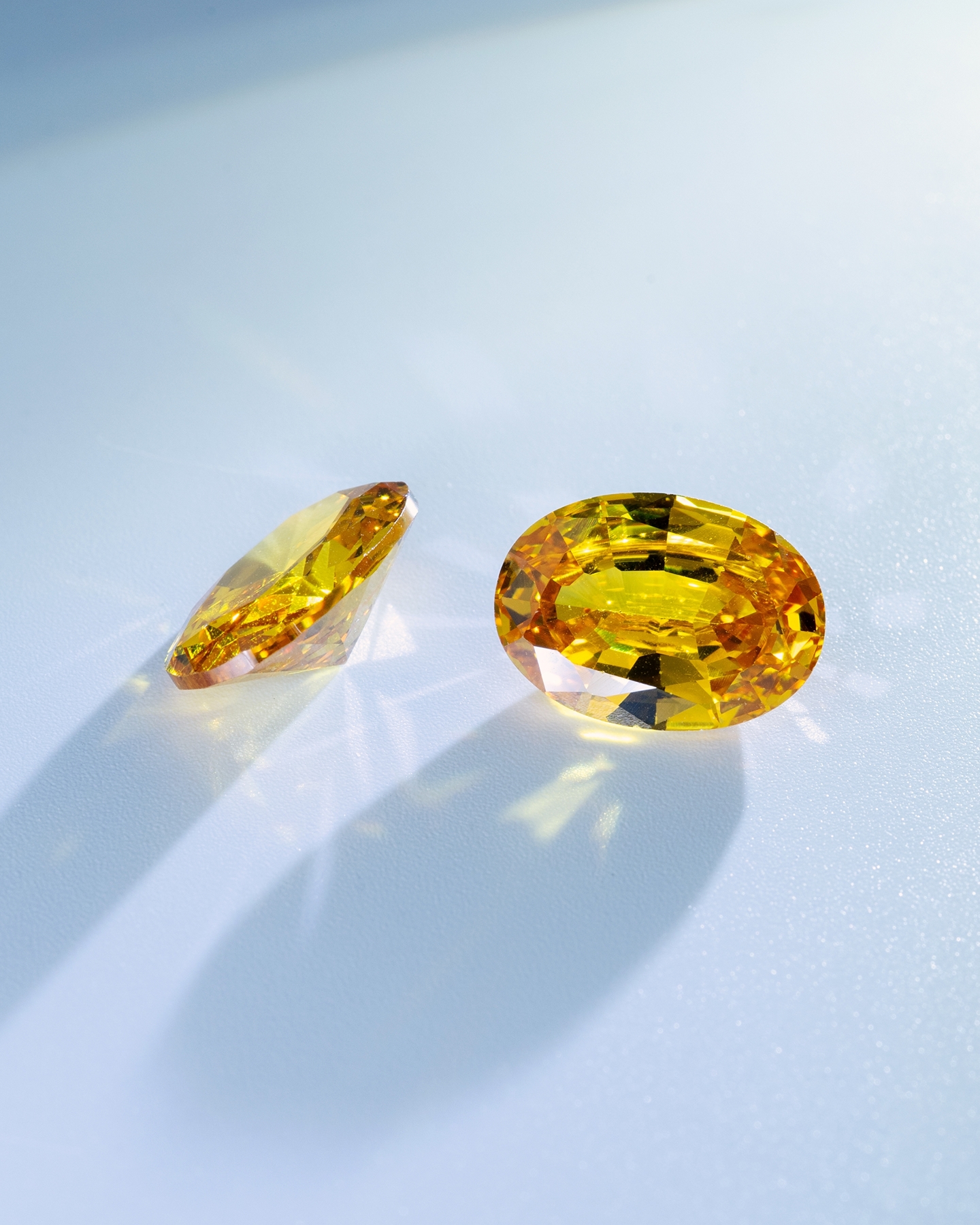
KAY offers both naturally colored and enhanced yellow diamonds. They fall outside the D-to-Z scale and are evaluated as fancy color diamonds—chosen for their warm, vivid color.

Naturally colored yellow diamonds typically get their color from nitrogen present as the crystal forms. Enhanced yellow diamonds are natural diamonds whose permanent, intense color comes from treatment. Both have the same composition as colorless diamonds.

You'll find yellow diamond rings, necklaces, earrings, and bracelets. They can mark a milestone or celebrate a loved one.
A yellow diamond by KAY.
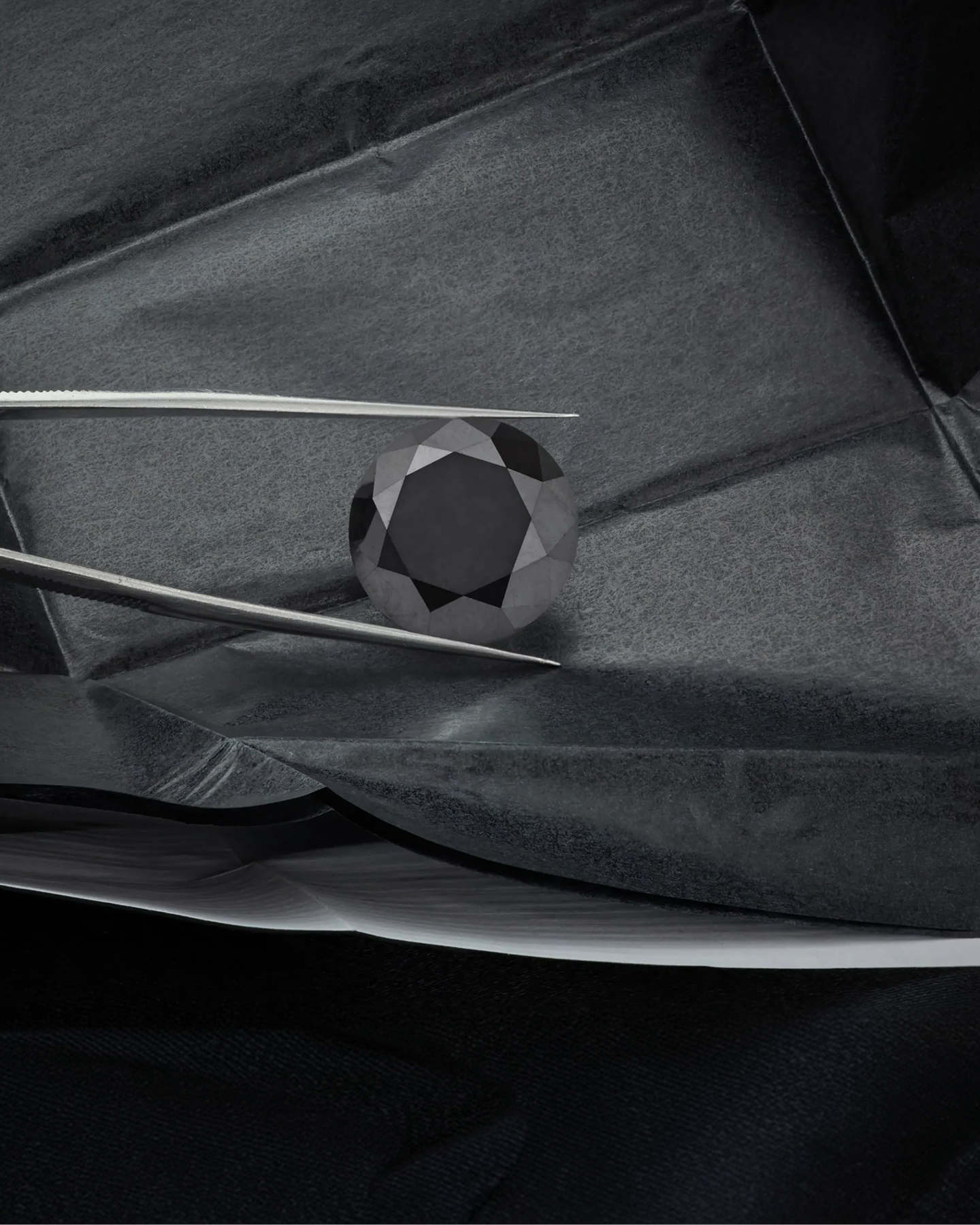
A black diamond from KAY.

Black Diamonds

KAY black diamonds are natural diamonds treated to permanently create their intense color. Like colorless diamonds, they’re made of carbon but typically contain more inclusions.

Black diamonds fall outside the D-to-Z scale and are evaluated as fancy color diamonds, so the focus is on their rich black color. They often cost less than colorless diamonds of similar size.

You’ll find KAY black diamonds in engagement rings, necklaces, bracelets, and earrings. They can mark an engagement or anniversary, or simply show someone you’re thinking of them.

Diamond Color FAQs

Learn More About Diamond Color | Kay