
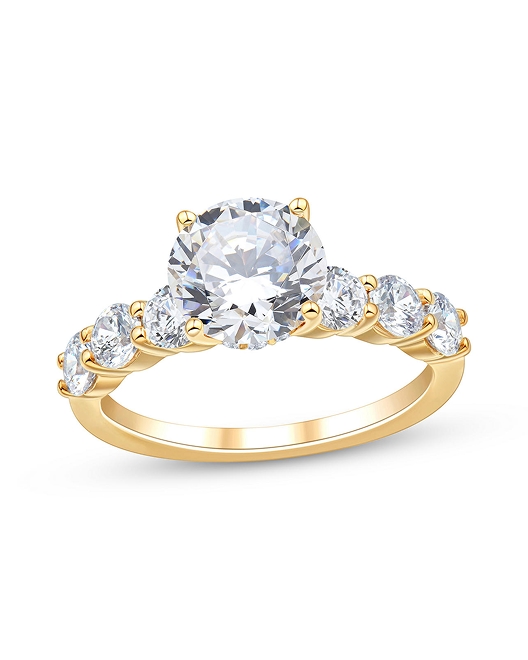
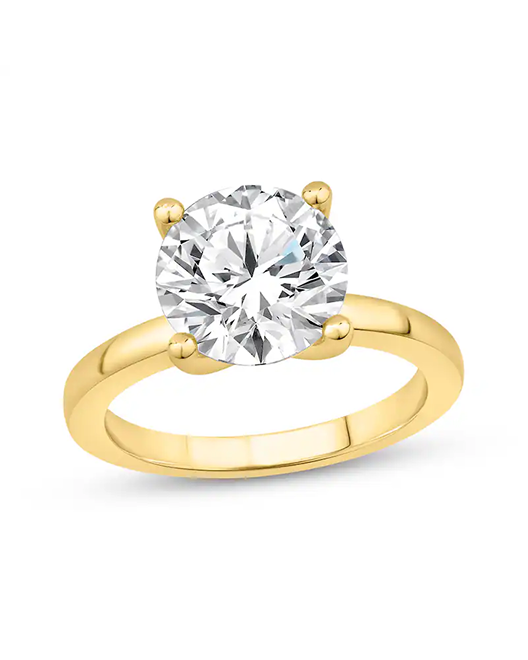
What is a Carat?

A carat, abbreviated “ct”, is the unique unit of weight used to measure diamonds and gemstones. While often mistaken for size, carat refers to weight, and a stone's dimensions can vary depending on its shape and density. For example, a 1-carat round diamond will measure larger than a 1-carat round sapphire due to the difference in density between the two stones. The phrase total carat weight (t.c.w.) refers to the combined weight of all diamonds and gemstones in a piece of jewelry.
Larger diamonds are found more rarely in nature, making them more expensive. For example, a 1-carat diamond of a given quality will always be considered more valuable than two .5-carat diamonds of the same quality. As a general rule of thumb, a diamond of double the weight costs around four times as much.
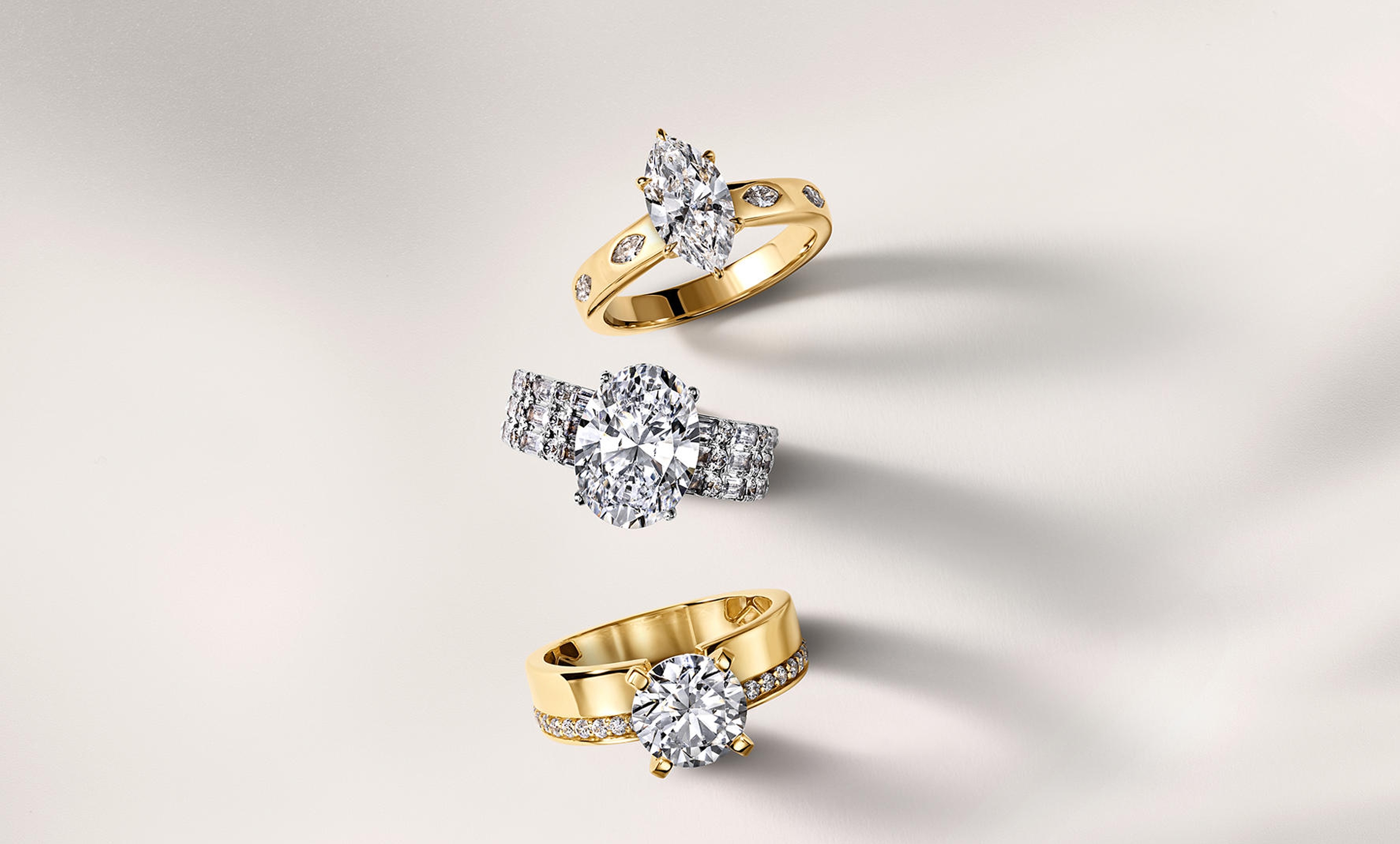
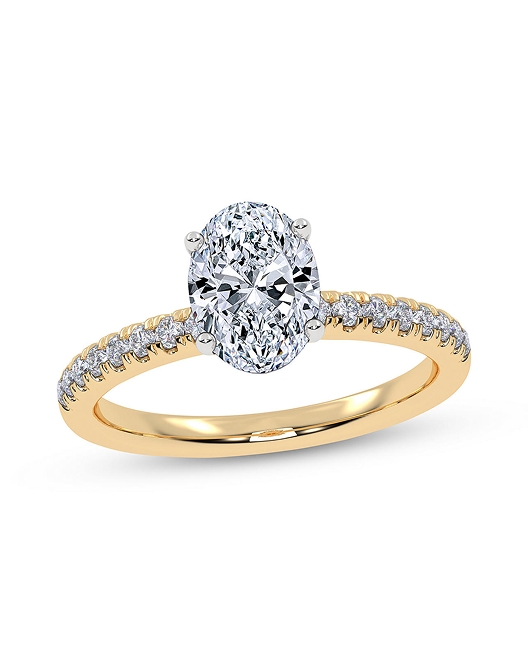
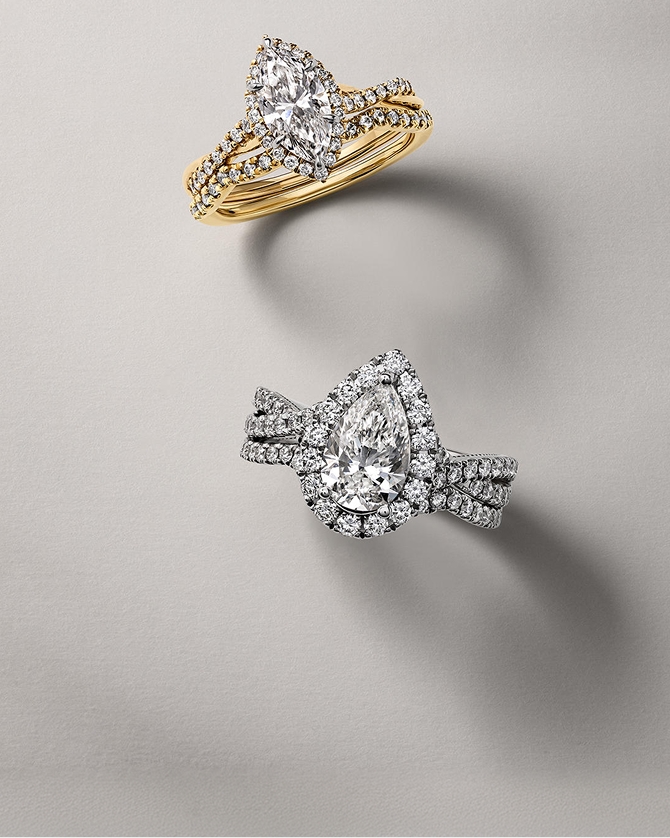
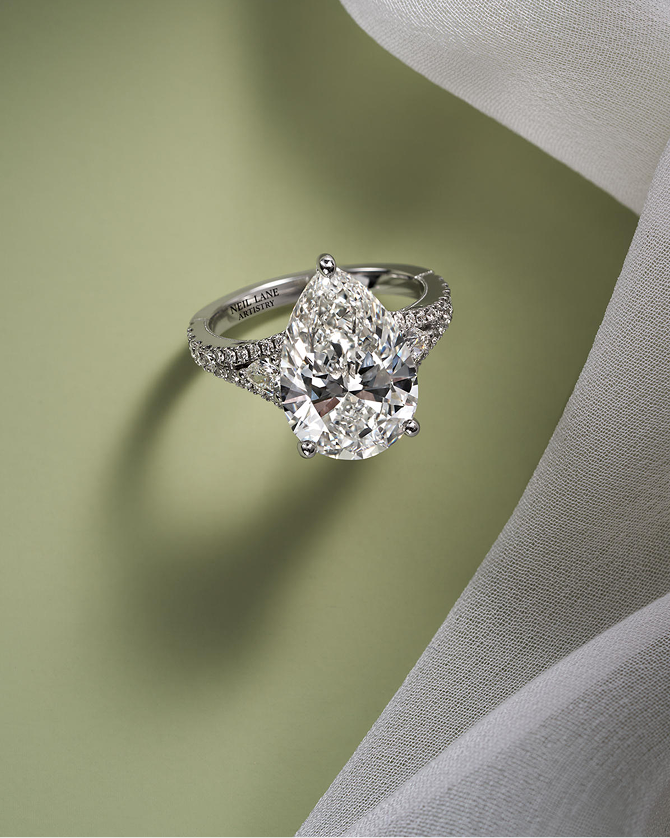
It's also important to understand that two diamonds of the same carat weight can look different in size. For example, elongated shapes such as Oval, Pear, and Marquise diamonds often appear larger than Round diamonds of the same carat weight because of how their weight is distributed. This makes diamond shape an important consideration when choosing a ring.
When selecting a diamond, many shoppers look for the right balance between carat, cut, color, and clarity. Choosing a slightly lower carat weight, such as 0.90 instead of 1.00 carat, can sometimes provide significant savings while maintaining a very similar appearance. By understanding how carat weight affects both size and value, you can find a diamond that fits your style, budget, and desired look while maximizing beauty and sparkle.
To maximize value, choose a diamond that is an “under size,” or just below one of the cutoff weights. The cutoff weights, or magic numbers in the industry, are .50 ct, .75 ct, .90 ct, 1.0 ct, 1.5 ct, and 2.0 ct.
Diamond Carat FAQs
The average carat for engagement rings is around 1.5 carats.
Carat and karat sound alike; however, they measure completely different things. One measures weight and one measures gold purity. Let’s break down what each term means and why they matter when you’re buying jewelry:
- Carat: A carat (ct) is the standard unit for measuring gemstone weight, with one carat equal to 200 milligrams (0.2 grams). In modern jewelry, carats provide an exact measurement of a stone’s mass, though this doesn’t directly translate to its visible size or dimensions. For instance, a 1-carat round diamond may appear different in size from a 1-carat oval diamond, even though they weigh exactly the same.
- Karat: Karat (K) measures the purity of gold in an alloy, expressed as parts per 24. Pure gold is designated as 24K, meaning all 24 parts are gold with no other metals present. For example, 18K gold contains 18 parts pure gold and 6 parts other metals, making it 75% pure gold. This system allows jewelers and consumers to understand the exact composition of gold jewelry and helps determine its value and durability.
The primary distinction between these terms lies in their measurement purposes. Carats measure physical weight using precise decimals (such as 1.75 ct), while karats measure gold purity typically in whole numbers (10K, 14K, 18K, 24K).
Diamond shapes that maximize surface area look the biggest for carat size. Marquise, oval, pear, and other elongated diamond shapes tend to look larger than other shapes of the same carat weight. These shapes lengthen the diamond, creating the illusion of a bigger size. Choosing a shape with a larger table facet can also enhance the diamond's apparent size.
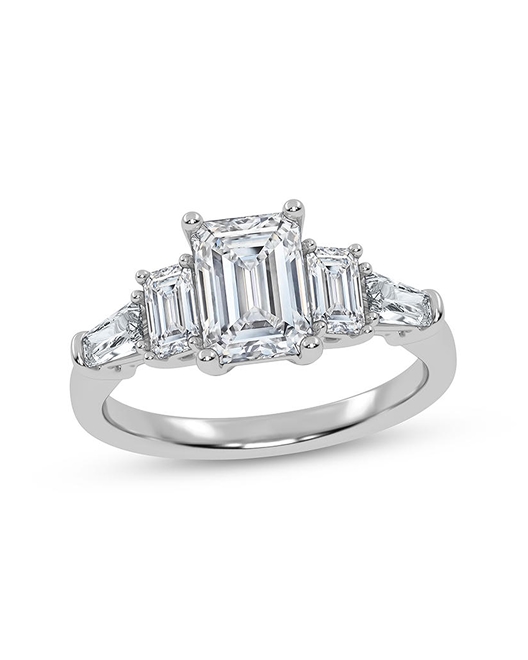
When looking at diamond jewelry, you may see "tw" noted within the product name. This "tw" stands for "total weight" and refers to the total diamond carat weight of the piece vs just the main center stone.
Shop Engagement Rings by Carat Weight

Learn More About Diamond Carat | Kay