
COMPARING NATURAL AND LAB-GROWN DIAMONDS

A diamond is the world’s most enduring symbol of love. Whether you’re celebrating a milestone anniversary or making an everyday moment sparkle, there are now more ways than ever to find the diamond that tells your unique story. Today, lab-grown diamonds are growing in popularity as more affordable options to natural diamonds. Learn more about how lab-grown diamonds compare to natural diamonds and explore some of the most popular diamond alternatives, so you can find the diamond option right for you.
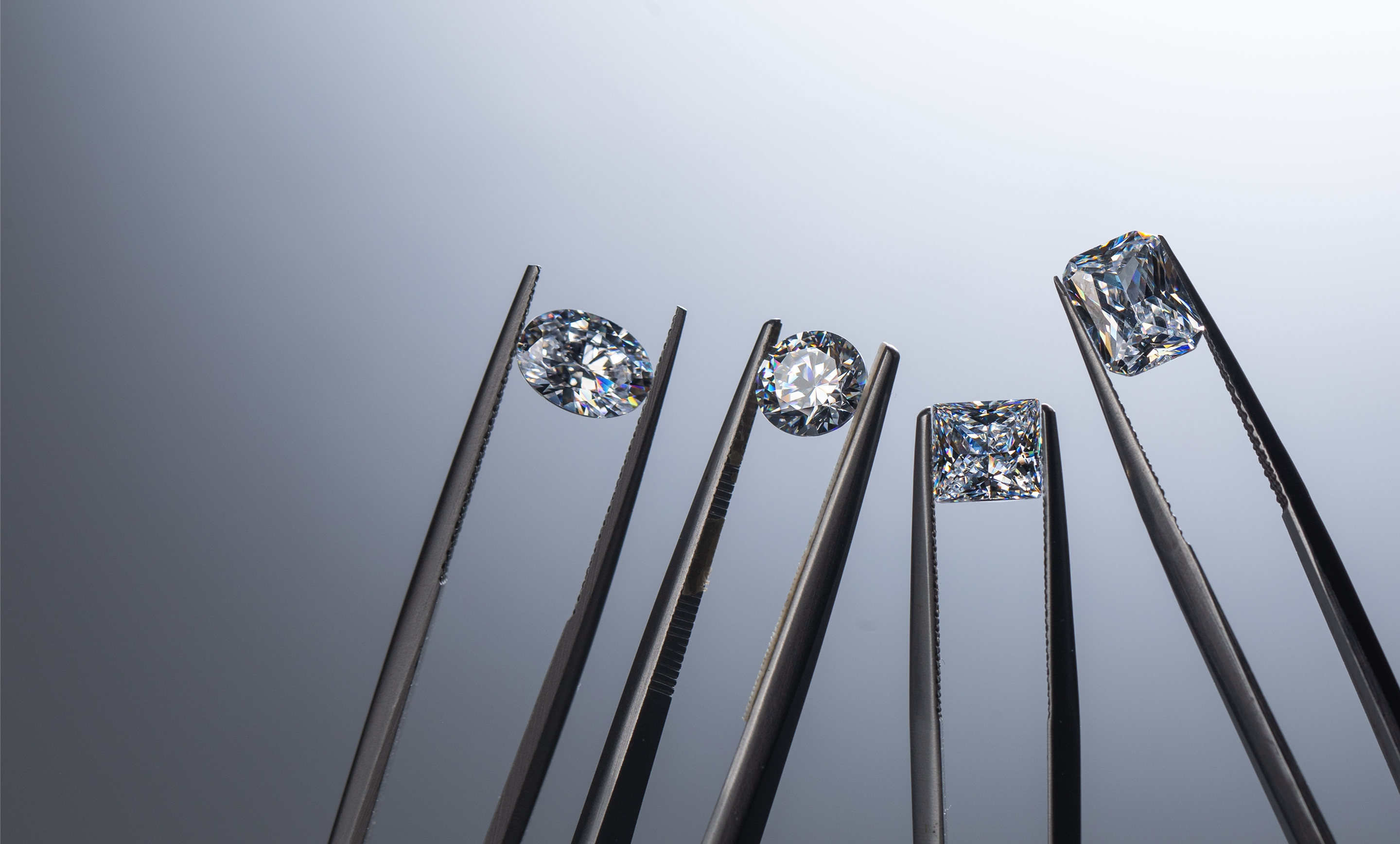
Both natural and lab-grown diamonds offer exceptional beauty, durability, and brilliance. They share the same chemical composition, crystal structure, and optical properties, meaning both are real diamonds. Whether formed deep within the earth or created using advanced technology, each type of diamond can display the sparkle and fire that make diamonds so treasured.
Natural diamonds are formed over billions of years under intense heat and pressure beneath the earth's surface. Their remarkable journey from the earth to a finished piece of jewelry makes them a meaningful choice for many buyers who appreciate their rarity and natural origin. Each natural diamond carries a unique history and reflects the incredible forces of nature that created it.
Lab-grown diamonds are created in highly controlled environments using technology that replicates the conditions under which natural diamonds form. These diamonds offer the same beauty and durability as natural diamonds while providing an alternative option for shoppers. Lab-grown diamonds often allow customers to select a larger carat weight or higher quality characteristics within a similar budget, making them an appealing choice for many modern buyers.
When deciding between a natural and lab-grown diamond, there is no right or wrong choice. Some people are drawn to the rarity and heritage of a natural diamond, while others appreciate the innovation and value offered by a lab-grown diamond. Ultimately, the best diamond is the one that aligns with your personal preferences, priorities, and story.
Both natural and lab-grown diamonds offer exceptional beauty, durability, and brilliance. They share the same chemical composition, crystal structure, and optical properties, meaning both are real diamonds. Whether formed deep within the earth or created using advanced technology, each type of diamond can display the sparkle and fire that make diamonds so treasured.
Natural diamonds are formed over billions of years under intense heat and pressure beneath the earth's surface. Their remarkable journey from the earth to a finished piece of jewelry makes them a meaningful choice for many buyers who appreciate their rarity and natural origin. Each natural diamond carries a unique history and reflects the incredible forces of nature that created it.
Lab-grown diamonds are created in highly controlled environments using technology that replicates the conditions under which natural diamonds form. These diamonds offer the same beauty and durability as natural diamonds while providing an alternative option for shoppers. Lab-grown diamonds often allow customers to select a larger carat weight or higher quality characteristics within a similar budget, making them an appealing choice for many modern buyers.
When deciding between a natural and lab-grown diamond, there is no right or wrong choice. Some people are drawn to the rarity and heritage of a natural diamond, while others appreciate the innovation and value offered by a lab-grown diamond. Ultimately, the best diamond is the one that aligns with your personal preferences, priorities, and story.
Frequently Asked Questions
Lab-grown diamonds, also known as synthetic diamonds or cultured diamonds, are diamonds that are created in a laboratory setting using advanced technological processes. They have the same chemical composition, crystal structure, and physical properties as natural diamonds.
Lab-grown diamonds are created using two primary methods: High Pressure High Temperature (HPHT) and Chemical Vapor Deposition (CVD). HPHT mimics the conditions found in the Earth's mantle, while CVD involves the deposition of carbon atoms onto a substrate to grow diamond crystals layer by layer.
The main difference between lab-grown diamonds and natural diamonds is their origin. Natural diamonds are formed deep within the Earth's mantle over millions of years through natural geological processes, while lab-grown diamonds are created in a controlled laboratory environment over a shorter period.
Lab-created diamonds have the same optical, chemical, and physical properties as a diamond that is grown naturally under the earth's surface. A lab-grown diamond is apprised using the same 4Cs (cut, color, clarity, carat) and can deliver the same fire, scintillation and sparkle as a natural diamond.
Yes, lab-grown diamonds can be certified by independent gemological laboratories using the same grading standards and criteria applied to natural diamonds. Certifications provide assurance of the diamond's quality, authenticity, and origin.

The 4 C's
Shop Diamonds by Category
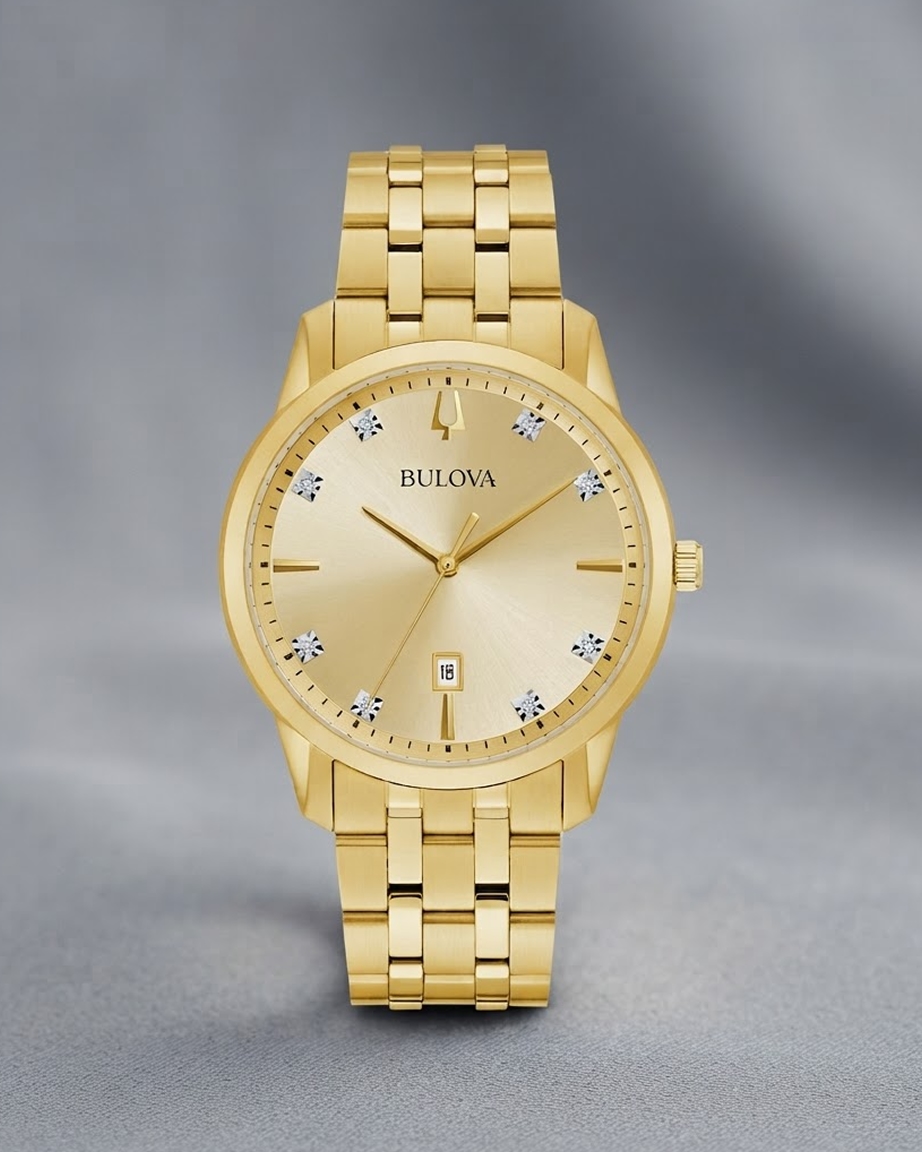
Lab-Grown vs Natural Diamonds | Kay